
How Digital Innovation Is Reshaping National Competitiveness
Key Takeaways
- A national digital strategy built on HyperConnectivity, HyperComputing, and HyperAutomation.
- Cybersecurity as a core pillar to strengthen trust and secure economic growth.
- AI positioned as a catalyst for competitiveness, innovation, and digital sovereignty.
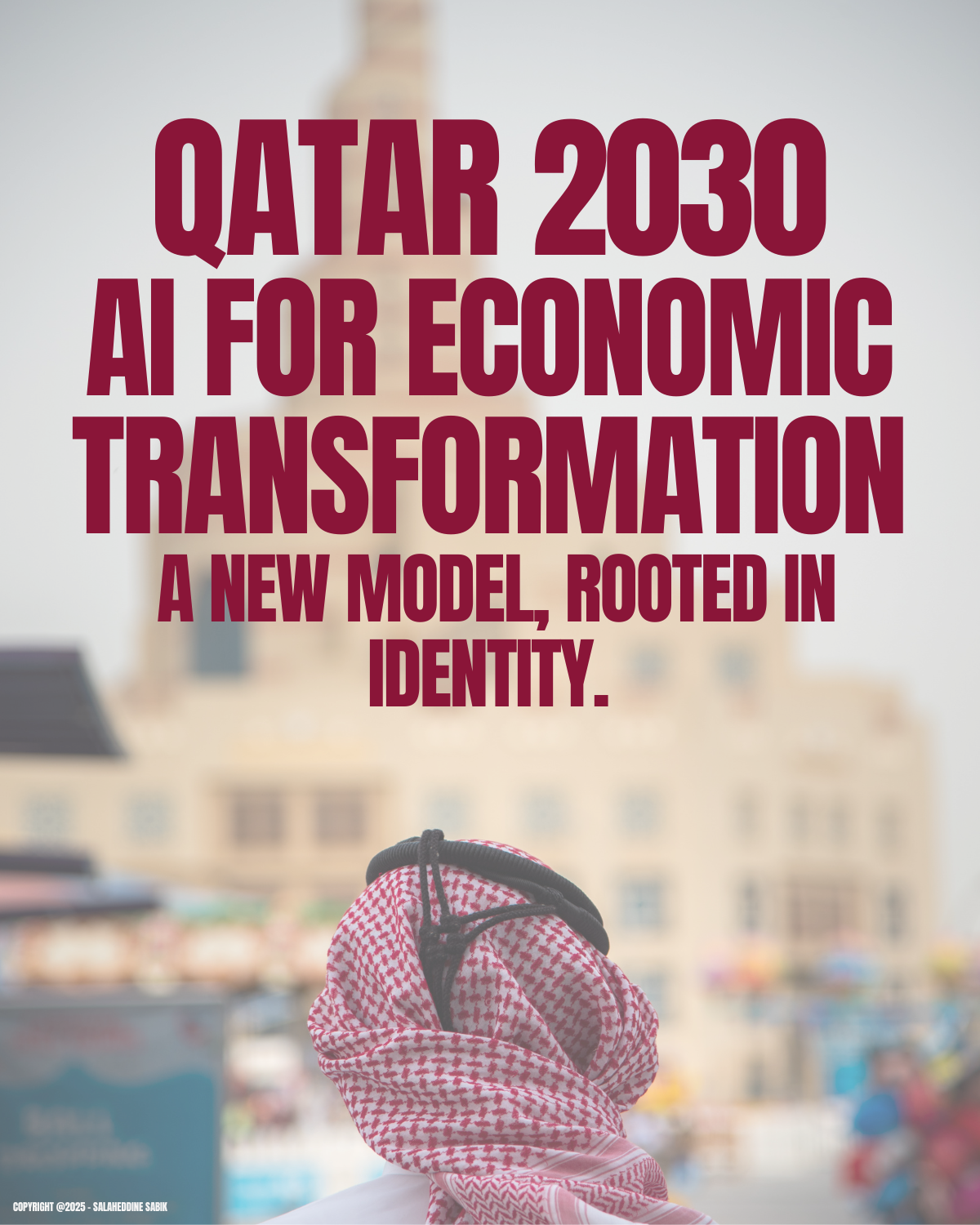
Qatar Vision 2030 sets the stage for one of the region’s most ambitious digital transformations. The country is investing heavily in IT infrastructure, cybersecurity, artificial intelligence, and automation to build a resilient, innovative, and globally attractive economy.
What Is Digital Transformation Under Qatar Vision 2030?
The roadmap is structured around three drivers: HyperConnectivity to create nationwide, next-generation connectivity; HyperComputing through sovereign cloud and high-performance data centers; and HyperAutomation to modernize public services and accelerate operational efficiency. These pillars form the backbone of a strong digital ecosystem that fuels innovation and enables the attraction of global talent.
Why Cybersecurity Remains a Critical Challenge
Rapid digitalization expands exposure to threats and reinforces the need to safeguard national critical infrastructure. Qatar’s 2024–2030 cybersecurity strategy focuses on securing essential sectors such as energy, finance, transport, and healthcare; deploying advanced technologies like AI-driven threat detection; and strengthening national data governance. This approach aims to establish a trusted digital environment where institutions and businesses can operate securely.
How Artificial Intelligence Enhances National Competitiveness
- Talent development: large-scale training programs designed to build a generation of AI specialists by 2030.
- Innovation stimulus: support for start-ups, innovation hubs, and AI-focused accelerators.
- Cross-sector adoption: AI deployed across finance, healthcare, education, mobility, and government services.
- Ethics and governance: promoting responsible, secure, and transparent AI practices.
Use Cases
Multiple sectors are already benefiting from this transformation: government service automation, AI-augmented diagnostics in healthcare, process automation in finance, or smart mobility programs leveraging IoT sensors and machine learning. Each initiative contributes to positioning Qatar as a regional digital innovation hub.
“The future of nations depends on their ability to master digital technologies, secure their infrastructures, and create an environment where innovation can thrive.”— Digital Transformation Expert
The Future of Digital Transformation in Qatar
The next phase will emphasize data sovereignty, AI-enhanced public services, intelligent automation across the private sector, and stronger collaboration between government, academia, and industry. Qatar aims to build a diversified, knowledge-driven economy ready to compete in the industries of tomorrow.
Conclusion
Qatar Vision 2030 positions the country as a rising technological leader. By integrating cybersecurity, AI, cloud infrastructure, and next-generation connectivity, Qatar is building a competitive and future-ready digital economy. The coming years will be decisive in scaling these initiatives while ensuring strong governance and continuous upskilling of local talent.
Learn More
Download our full guide on Qatar’s digital transformation.Download
About the Author

